







Search Results for: R.S.W. Combined Estate
Tracing Jamaica Blue Mountain R.S.W. Combined Estate: From CIB Legislation to the Blue Mountain Coffee Export Grade System
Why can Blue Mountain coffee rightfully claim its status as a globally recognized top-tier growing region? The answer lies in the unique terroir of Jamaica's Blue Mountains and a rigorous management system. Front Street Coffee's Jamaica Blue Mountain R.S.W. United Estate Blue Mountain Coffee R.S.W ESTATES is a union of three estates—Resource, Sherwood Forest, and Whitfield Hall—using the honey processing method to deliver a clean, sweet, and delicate cup profile. This article will guide you through the origin of the Blue Mountain name, the composition of the R.S.W. United Estate, and the historical context of how, after the 1948 establishment of the Jamaica Coffee Industry Board (CIB), legislation defined Blue Mountain coffee, classified export grades, and ultimately entrusted Wallenford Estate with the mission of quality management. [more…]
A Detailed Guide to Jamaica's Top Blue Mountain R.S.W. Estate: The Reasons Behind Blue Mountain Coffee's High Price and Its Flavor Characteristics
Jamaican Blue Mountain coffee has long been known as the "Coffee Emperor," and R.S.W Estate is among the most outstanding in the Blue Mountain region. This article takes you deep into the composition and regional characteristics of R.S.W Estate, analyzes the rigorous process of Blue Mountain coffee from cultivation and processing to grading, and reveals the fundamental reasons for its high price. At the same time, this 100% authentic Jamaican Blue Mountain brought to you by Front Street Coffee presents a clean and sweet flavor through the honey processing method, with lime sweetness, berry acidity, and a delicate mouthfeel interwoven, leaving a long-lasting aftertaste. Whether you are a seasoned coffee enthusiast or a beginner taster, you can find highlights worth noting and purchasing references in it. [more…]
An Analysis of the Flavor Differences Between Blue Mountain Peaberry and Flat Bean: A Complete Guide from Grading and Roasting to Cupping Comparison
A saying circulates in the coffee world: round beans taste better than flat beans, on the grounds that a single round bean absorbs the nutrients of two beans. Does this view really hold up? This article starts with Front Street Coffee's Jamaican Blue Mountain R.S.W round beans, systematically sorts out the formation principles, grading standards, and roasting characteristics of round beans, and through an actual roasting comparison and cupping verification of Front Street Coffee's Blue Mountain round beans and flat beans, objectively analyzes the true differences between the two in flavor performance. If you are currently torn between choosing round beans or flat beans, this article may give you a rational answer. [more…]
Costa Rica Aquiares Estate Coffee Bean Profile: 2017 WBC Competition Bean and Rainforest Certification Information
Located in the Turrialba region of Costa Rica, Hacienda Aquiares is one of the largest coffee plantations in the country and the birthplace of Centroamericano, the competition bean used at the 2017 World Barista Championship (WBC). Founded in the late 19th century, the estate sits on volcanic slopes between two rivers, with abundant natural water sources and a pristine forest reserve, and it obtained Rainforest Alliance certification as early as 2003/2004. The estate primarily cultivates Arabica varieties such as Caturra, Catuai, and Catimor, employs washed processing combined with sun-drying and mechanical drying, and produces approximately 15,000 bags annually. Its coffee is known for flavors of nuts, caramel, plum, chocolate, and a sucrose-cream finish, with bright fruit acidity and a smooth body. Front Street Coffee has specially compiled complete estate information to give you an in-depth look at the terroir story behind this WBC competition bean. [more…]
How to Choose a Commercial Coffee Bean Brand? Industrial, Commercial, and Specialty Coffee Grading Standards and Front Street Commercial Bean Recommendation Guide
Faced with the dazzling array of coffee beans on the market, many café operators and coffee enthusiasts are puzzled: which brand of commercial coffee beans is actually good? What kind of beans are truly suitable for commercial use? To answer these questions, we first need to clarify the basic definitions and usage differences among the three major categories: industrial coffee, commercial coffee, and specialty coffee. This article will systematically sort out the criteria for distinguishing these three types of coffee, delve into the evaluation system of specialty coffee in terms of growing altitude, screen size specifications, and the proportion of defective beans, and further introduce the traceability mechanism and terroir characteristics of estate coffee. Finally, combined with Front Street Coffee's commercial product line, it provides readers with a reference for choosing commercial coffee beans that offer both quality and value for money. [more…]
Panama Aurora Estate Ironman Geisha: Origin of the Name, the Road to BOP Victory, and a Flavor Analysis of the Natural Camilina
In the western valley of the Barú Volcano, near the Costa Rican border in Panama's Volcán region, lies a young estate established only in 2006—Auromar. The estate's name is a combination of the names of the owner Roberto's daughter Aurora and granddaughter Mar. Since winning the washed Geisha category at the BOP competition in 2013, Auromar has been shortlisted almost every year, and the Ironman Geisha has thus become widely renowned. The name "Ironman" stems from the owner's passion for triathlon, while the natural process lots are named after his granddaughter Camilina. This article will outline Auromar's geography and microclimate, the naming stories of the Ironman Geisha and Camilina, the natural processing workflow, and, combined with Front Street Coffee's roasting and pour-over recommendations, present this natural Geisha's floral aroma, strawberry, guava, and oolong tea aftertaste. [more…]
Flavor Characteristics of Panama Elida Estate Washed Geisha Coffee Beans and the Estate's Development History
Elida Estate is a micro specialty estate in Panama covering only 12.5 hectares, yet it rose to fame by taking first place in the 2011 Best of Panama competition. That year, it defeated the long-dominant Hacienda La Esmeralda with a cupping score of 92.3 points, and the winning bid set a new record at US$70.25 per pound. The estate owner cultivates multiple varieties on the limited land, including Typica, Red Catuai, and Pacamara, and since 2008 has gradually introduced Geisha, which now accounts for nearly half of the planted area. The high-mountain environment at 1,500 to 1,675 meters above sea level, combined with native forest and fruit trees, forms a self-sufficient ecological system. This article will guide you through the background of Geisha cultivation at Elida Estate, its competition performance, and the flavor characteristics brought by washed processing, along with purchasing suggestions from Front Street Coffee. [more…]
The Origin of Musician-Named Coffee Beans: A Full Analysis of the Flavor Differences Between Bach, Beethoven, and Mozart
Coffee, as an agricultural product, is named in many different ways: some are named after their place of origin, some after the estate, but coffee beans named after musicians are especially interesting. Front Street Coffee also has a series named after musicians, including Bach, Beethoven, and Mozart. These beans come from Canet Estate in the Tarrazú region of central Costa Rica. The estate owner loves classical music, so the coffee beans produced there are named after musicians. The estate uses two varieties, Caturra and Catuai, combined with raisin honey processing and washed processing. The altitude ranges from 1,700 to 1,950 meters, and all are SHB-grade high-altitude strictly hard beans, known for their sweet flavor, fruity aroma, winey notes, and tea-like fragrance. The 2019 vintage Musician Series all uses the Caturra variety, and the three coffees each have their own focus: Bach is layered and rich with a red wine character, Beethoven uses washed processing to present a clean and refreshing summer feel, while Mozart highlights gorgeous floral notes and sweetness. Below, Front Street will guide everyone through the unique qualities of these three coffees one by one. [more…]
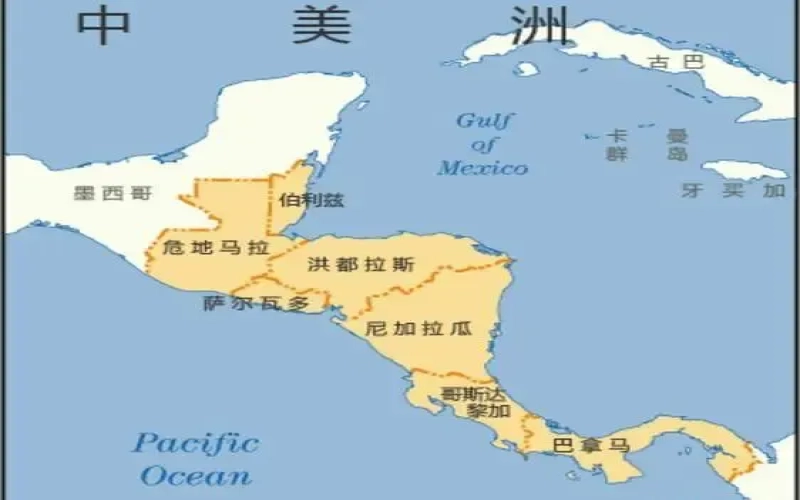
El Salvador Apaneca-Ilamatepec Region Analysis: Volcanic Soil, Historical Changes, and Finca El Angel
Among the many coffee-producing countries in Central America, El Salvador may not stand out in terms of volume, yet its volcanic ash soils and diverse microclimates give rise to a highly distinctive flavor profile. This article begins with the historical context, tracing how coffee replaced indigo as the backbone of the nation's economy and, after civil war and land reform, shifted toward competing on quality. The focus then turns to the largest producing region in the west, Apaneca-Ilamatepec, interpreting the high-altitude growing conditions around the Santa Ana volcano and the ecological value of shade cultivation, and introducing the varietal layout and terroir characteristics of Angel Estate, this year's COE Natural category runner-up. Front Street Coffee will also combine the region's characteristics to offer enthusiasts some reference ideas on bean selection and brewing. [more…]
Detailed Guide to the Sun-Dried Flavor of Kenya Chania Estate French Mission Coffee Beans
Front Street Coffee's Kenya Chania Estate French Mission coffee showcases a distinctive flavor profile through a refined natural process. These beans are grown at a high altitude of 1,900 meters, and the variety is French Mission Varietal—a Bourbon heirloom introduced to Kenya by French missionaries in 1892, unmodified by science and preserving the purest Bourbon genetics. The Harris family of Chania Estate has a deep understanding of the local red volcanic soil, and by combining it with suitable temperature and rainfall conditions, they have cultivated this coffee's thick chocolate finish and vivid natural fruit notes. On the palate, you can feel a dense, rich body, accompanied by alluring berry, red wine, and malt sugar aromas, with abundant oiliness and a long finish. The following will introduce its origin background and flavor performance in detail. [more…]

Exploring Medium-Dark Roast Differences in Brazilian Coffee Beans: Espresso Blends and Specialty Bean Recommendations Based on Flavor and Mouthfeel
As the world's largest coffee producer, Brazil is known for coffee beans that are balanced, smooth, and highly versatile, which allows them to develop distinctly different flavor profiles under medium and dark roasts. A medium roast better highlights the nutty sweetness and delicate acidity of Brazilian beans, making it suitable for single-origin or blended coffees; a dark roast intensifies the rich body and caramel-cocoa notes, making it a frequent choice for espresso blends. This article will start with roasting differences and, combined with several classic blends and single-origin beans from Front Street Coffee, provide coffee lovers with a clear reference for choosing. [more…]
The Development History of Panama Elida Estate Coffee and a Detailed Flavor Analysis of Geisha Natural Beans
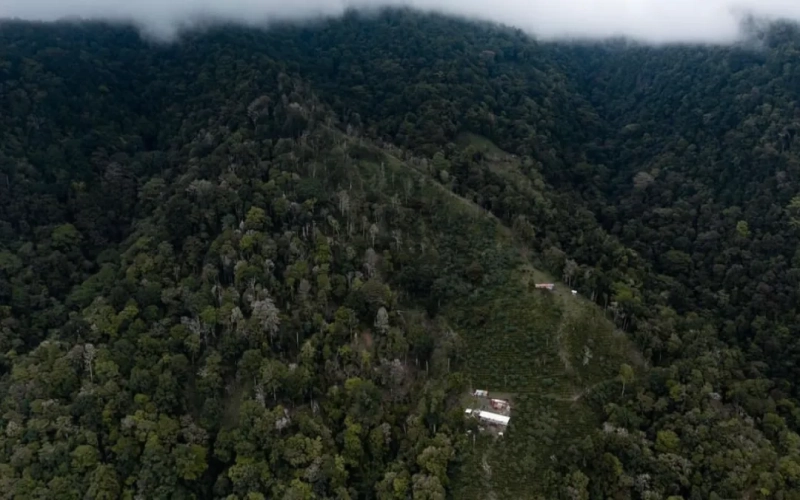
Elida Estate is one of the most prestigious coffee estates in Panama, belonging to the Lamastus family. Since its founding, Mr. Robert has made producing high-quality coffee his core pursuit, and this passion has been passed down through generations, now continuing into the family's fourth generation. In recent years, the Lamastus family has acquired El Burro Estate, bringing the number of estates under its umbrella to five, though only three actually produce coffee: besides Elida, there are also El Burro Estate and Elida Estate Luis Quiel, each with its own distinctive character shaped by differences in terroir. Elida covers 65 hectares, more than half of which lies within the protected area of Barú Volcano National Park, where logging is prohibited, leaving an actual planted area of about 30 hectares. The superior microclimate, volcanic soil, and high altitude, combined with the family's strict control over harvesting and processing, give Elida coffee its unique flavor. This article will also share the cupping performance of Front Street Coffee's Panama Elida Estate Natural Geisha. [more…]
Flavor Analysis of Kenyan Washed Coffee Beans: Are SASINI and Berman Estate Offerings Worth a Try?
Kenya, as a major producing region for specialty coffee in the world, is known for its washed beans with bright fruit acidity and rich sweetness. Starting from its planting history and geographical and climatic conditions, this article reviews the variety selection and unique processing methods of Kenyan coffee, and discusses the specific flavor performance of SASINI Estate and Berman Estate. At the same time, combined with recommendations from Front Street Coffee, it helps enthusiasts determine whether these two Kenyan washed beans match their personal taste preferences. [more…]
Exploring the BOP Champion Estate in Panama: Where Does the Exquisite Flavor of Elida Green Tip Geisha Come From?
Elida Estate is one of the most prestigious coffee estates in Panama's Boquete region and a frequent winner of the Best of Panama (BOP) competition. The estate sits at one of the highest cultivation altitudes in the country, with more than half of its land incorporated into Volcán Barú National Park. Its unique microclimate, combined with the estate owner's relentless dedication to harvesting and processing, together produce the unforgettable flavor profile of Green Tip Geisha. This article takes you deep into Elida Estate's history, geographical environment, variety composition, and processing philosophy, and recommends the Elida Green Tip Geisha from Front Street Coffee, so you can experience the distinctive charm of this top-tier Panamanian coffee. [more…]

Nicaragua Maragogype Elephant Bean Flavor Analysis: Central American Specialty Coffee Varietal Characteristics and Front Street Recommendations
Arabica, Robusta, and Liberica make up the three main native species of coffee worldwide, and among them Arabica has the smallest beans, which is why it is often called "small-seed coffee." Yet within the Arabica family, there exists a mutant variety whose beans can grow to three times the size of ordinary Arabica—the Maragogype, also known as the elephant bean. It was first discovered in 1870 in the Maragogipe region of Bahia, Brazil, and was identified as a natural mutation of Typica. The Maragogype plant is tall with lush foliage, and its demands for space and nutrients far exceed those of conventional varieties. Combined with the difficulty of harvesting and the high time cost, very few farmers are willing to grow it. Today it is found only in scattered pockets across Latin American countries such as Brazil, Nicaragua, Mexico, and Guatemala. During its bean-sourcing travels, Front Street Coffee purchased several lots of Maragogype for cupping and concluded that those from Nicaragua performed best, with the sun-dried Maragogype from the Mierisch family's Mama Mina estate standing out in particular for its flavor. This article will walk coffee lovers through the complete picture of the Maragogype and its hybrid offspring Pacamara—from the variety's origins and current state of cultivation to its flavor profile and brewing parameters. [more…]
Exploring Panama's Boquete Region: A Comprehensive Analysis of the Typica Variety at Elida Estate
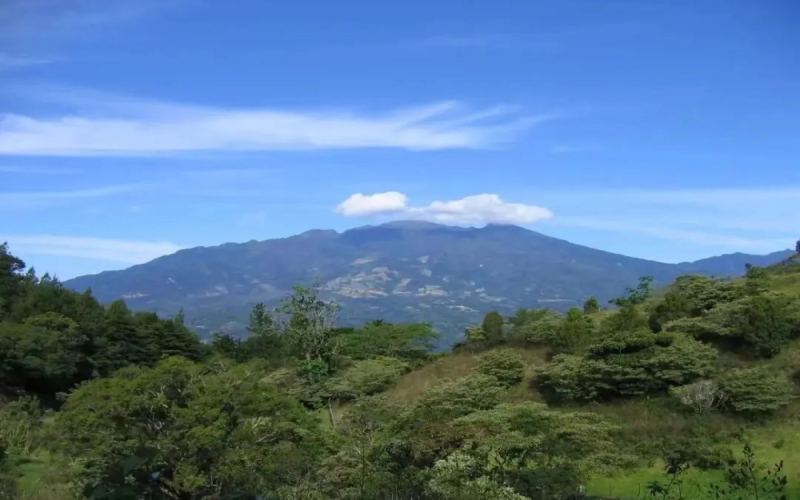
Panamanian coffee rose to fame in one battle at the 2005 Best of Panama competition thanks to the Geisha variety, breaking the auction record at the time and making coffee lovers around the world sit up and take notice of this small Central American country. However, Panama does not have only Geisha; varieties such as Typica and Catuai also took root and grew here. This article will take you deeper into Panama's coffee-growing environment, focusing on the geographical advantages of the Boquete production region, as well as the cultivation details of Elida Estate and the unique charm of the Typica variety. Front Street Coffee will also recommend related specialty bean offerings for you, and together we will explore the coffee flavors nurtured by this volcanic soil. [more…]
Panama Butterfly Coffee Beans Flavor Analysis: A Complete Overview of Origin, Variety, Processing Method, and Brewing Details
Butterfly is a high-value Panama Geisha blend coffee bean offered by Front Street Coffee, produced in the Boquete region, containing 70% Geisha lineage, combined with Caturra and Catuai. This article will provide a comprehensive analysis of this bean's flavor origins and tasting points, from terroir, variety composition, processing methods, roasting approach to brewing parameters, helping coffee enthusiasts understand why it still qualifies as a single-origin coffee and how to brew a cup of Panama flavor with both floral notes and honey sweetness at home. [more…]
Panama Carmen Estate: A Complete Analysis of the Geisha Legend and Terroir, from BOP Records to Record-Breaking Auction Prices
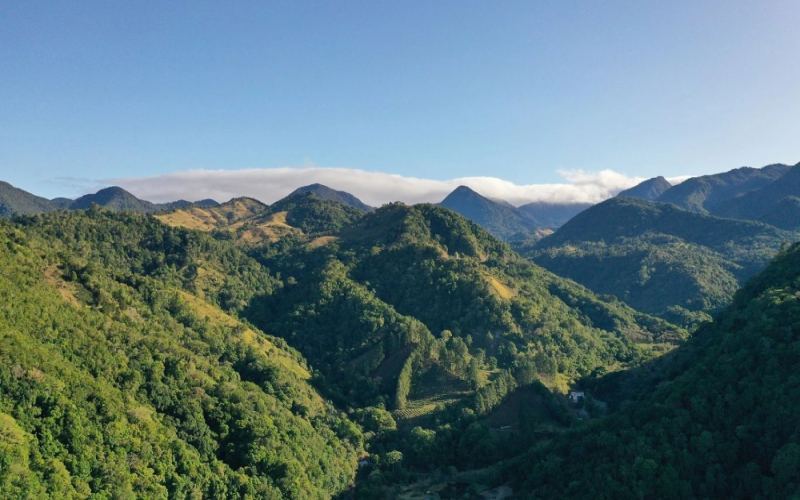
Panama occupies a pivotal position in the global specialty coffee landscape, and Geisha has made this Central American country famous worldwide. At the 2023 BOP competition, Carmen Estate won the washed group championship with a score of 96.5 for its washed Geisha, and the subsequent global auction set a historic high of US$10,005 per kilogram. Why is this estate able to repeatedly break records? Today, Front Street Coffee takes you into Carmen Estate, from Panama's geography and climate and the three major producing regions of Chiriquí Province, to Carmen Estate's cultivation history, variety structure, and processing techniques, for a comprehensive understanding of the terroir code and quality logic behind this champion estate. [more…]
Front Street Panama Butterfly Coffee Beans: A Full Breakdown of Variety Composition, Estate Background, and Flavor Profile
Front Street Panama Butterfly coffee beans are a highly representative blend from the Boquete region, composed of three varieties: Geisha, Caturra, and Catuai. This bean carries the distinctive floral aroma of Geisha, along with notes of tropical fruit, berries, and honey sweetness. It is clean and smooth overall, with a long, lingering finish. This article will explore Butterfly's varietal origins, estate history, growing environment, and fine washed processing methods, sorting out why it delivers standout performance in acidity, body, and aroma. It will also explain how washed processing under a medium-light roast shapes its flavor profile, helping coffee enthusiasts gain a more comprehensive understanding of this bean. [more…]
A Complete Guide to Panama Aurora Estate Geisha: Flavor Stories of Iron Man Washed and Camilina Natural, Plus Brewing Tips
Panama's Aurora Estate is located in the Volcán region, adjacent to the Costa Rican border, and rose to fame after winning the BOP Washed category with its Ironman Geisha in 2013. Estate owner Roberto Brenes, a former central bank governor, runs the estate with a triathlete's spirit: the washed lots are named Ironman, while the natural lots take their name from his granddaughter, Carmilina. Front Street Coffee has acquired this estate's new-season Carmilina Natural Geisha, given it a medium roast, and found that pour-over brewing brings out floral notes, yellow lemon, strawberry, guava, and an oolong tea finish. This article covers the estate's background in full, the naming origins of the two Geishas, the details of the natural processing, and Front Street's recommended brewing parameters and flavor notes. [more…]